Protests Across Pakistan Turn Deadly Following Outrage Over Iran Strikes

Across multiple cities in Pakistan, demonstrations over recent U.S. and Israeli strikes in Iran escalated into violence on March 1–2, 2026, leaving at least 23 people dead and dozens more injured, authorities and eyewitnesses said. The unrest drew large crowds in urban centres, including Karachi, Skardu and Islamabad, and drew significant security responses.
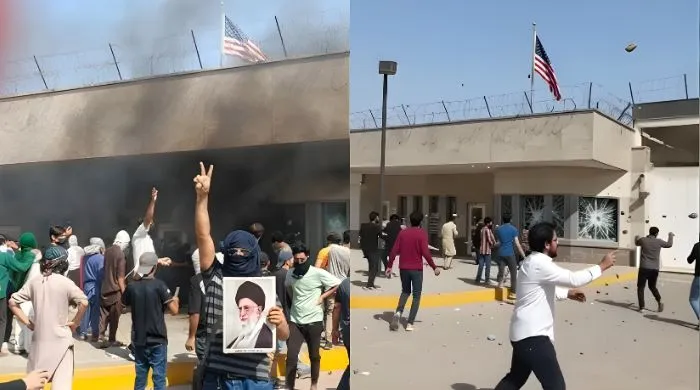
In Karachi, protesters chanting anti-American and anti-Israel slogans attempted to force their way through the gate of the U.S. consulate, clashed repeatedly with police and Rangers, and set fire to a police post and other property as tensions intensified throughout the day. Police responded with tear gas, baton charges, and live fire, according to official statements and hospital sources.
Clashes and Casualties
Medical and rescue officials reported that 10 people were killed in Karachi, with nearly 100 injured in confrontations near the consulate and adjoining areas. Many casualties were due to gunshot wounds and heavy stone-pelting exchanges between protesters and security personnel.
In Skardu, Gilgit-Baltistan, dozens of demonstrators gathered outside a United Nations office, setting the building on fire before security forces intervened. Local officials said at least 11 people died in the ensuing clashes, though casualty figures varied in early reports.
Capital city Islamabad also saw significant unrest, with thousands of protesters moving toward the Red Zone area and police deploying tear gas and armoured vehicles to prevent breaches near the diplomatic enclave. Two people were killed in these confrontations, and authorities later imposed Section 144, banning public gatherings to restore order.
Protests were also reported in Lahore, Peshawar, and several other cities, with smaller clashes occurring at police lines and outside consulate compounds, according to reporters and video footage circulating on social media.
Why the Protests Erupted
The demonstrations follow confirmation of the death of Iran’s Supreme Leader Ayatollah Ali Khamenei in a joint strike by U.S. and Israeli forces, a development that sparked widespread shock and anger among segments of Pakistan’s population, particularly within Shiite communities and allied groups. Organisers of the protests called for rallies across major cities to condemn the strikes and express solidarity with Iran.
Government and Security Response
In response to escalating violence, law enforcement and military units were deployed to contain the unrest, particularly in sensitive districts and around diplomatic missions. Authorities emphasised that peaceful protest remains a constitutional right but reiterated warnings that violence and vandalism would face legal consequences.
Punjab and Islamabad administrations also invoked Section 144 to prohibit large gatherings, aiming to curb further clashes and stabilise key urban centres. Officials reiterated calls for calm and dialogue while monitoring developments at multiple protest sites.