Iran War Sends South Korean Stocks Tumbling 12% in Historic Market Crash

South Korean stock markets suffered a historic sell-off, with the benchmark KOSPI index falling more than 12% in a single trading session as escalating conflict involving Iran triggered widespread global economic concerns. The sharp decline marked the largest daily drop in the index’s 46-year history, wiping out hundreds of billions of dollars in market value.
The sell-off was driven by intensifying hostilities in the Middle East, where Israeli and US forces continued attacks on Iran, prompting retaliatory actions across the region and raising fears of a broader conflict. The geopolitical tensions pushed oil prices higher and unsettled financial markets across Asia.
Massive Losses in Korean Markets
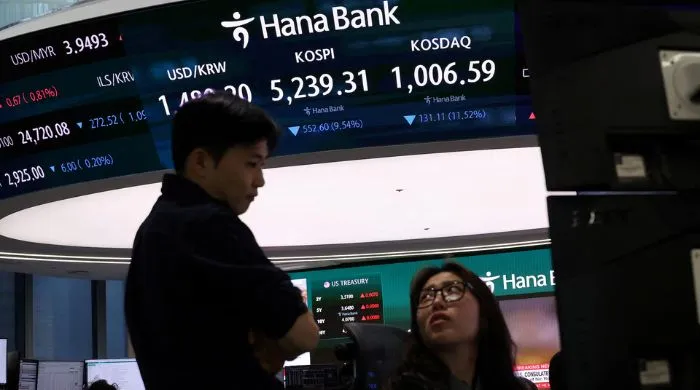
The KOSPI index dropped 698.37 points, or 12.06%, closing at 5,093.54, marking its steepest percentage decline since records began in 1980. At one point during trading, the index had fallen as much as 12.65%, highlighting the intensity of investor panic.
The scale of the market decline triggered emergency trading safeguards. Circuit breakers were activated, temporarily halting trading for 20 minutes, while additional program-trading restrictions were also imposed in an attempt to stabilize the market.
Analysts noted that South Korean equities had previously been among the best-performing markets in Asia, having roughly doubled in value over the past year. This strong performance made the market particularly vulnerable to a sharp correction once geopolitical risks intensified.
Why the Iran Conflict Hit South Korea Hard
South Korea’s economy is heavily dependent on energy imports, particularly from the Middle East. Around 70% of the country’s oil imports originate from the region, making it especially sensitive to disruptions caused by conflict in the Gulf.
As tensions escalated, investors feared potential supply disruptions and rising energy costs that could severely impact South Korea’s manufacturing-driven economy. The Korean won also fell to a 17-year low, reflecting growing uncertainty in currency markets.
Global Market Implications
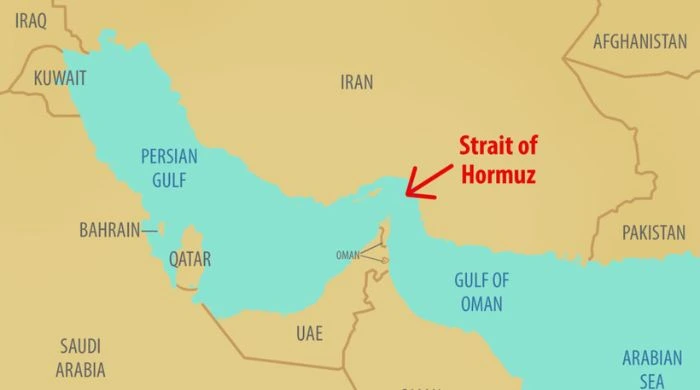
The market shock in South Korea reflects broader investor anxiety about the expanding Middle East conflict and its potential consequences for global energy supply chains. Rising oil prices, shipping disruptions, and uncertainty around the Strait of Hormuz have already begun affecting financial markets worldwide.
Economists warn that prolonged conflict could trigger inflationary pressures, supply chain disruptions, and slower global economic growth, particularly for energy-dependent economies in Asia.
Outlook
While financial markets remain volatile, investors are closely monitoring geopolitical developments in the Middle East. Any escalation that threatens major oil supply routes could intensify the economic impact beyond regional markets.
For South Korea, stabilizing financial markets and securing energy supply lines will be critical as the conflict continues to influence global trade and investor sentiment.