Strait of Hormuz Crisis Raises Fears of Global Oil Shock

Escalating tensions involving Iran and Western powers have renewed global concern about the Strait of Hormuz, a narrow but strategically vital waterway through which roughly 20% of the world’s oil supply passes every day. Any disruption in this corridor could have major consequences for global energy markets and international trade.
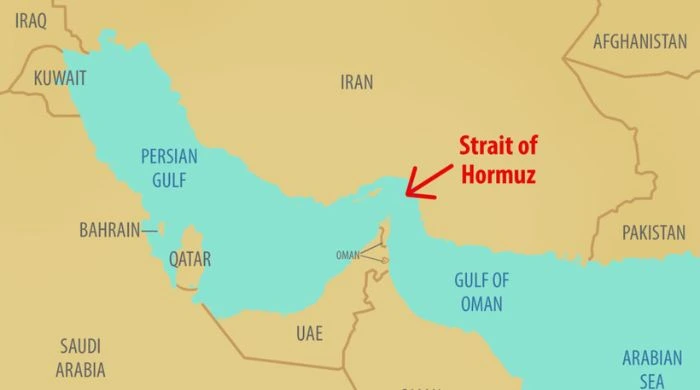
The Strait of Hormuz links the Persian Gulf with the Gulf of Oman and the Arabian Sea, serving as the primary shipping route for oil exports from key producers including Saudi Arabia, Iraq, Kuwait, the United Arab Emirates, and Iran. Because of its geographic position, the strait remains one of the most important chokepoints in global energy supply chains.
Why the Strait Matters
Energy analysts say the importance of the Strait of Hormuz lies in its concentration of oil exports from the Gulf region. Every day, millions of barrels of crude oil and petroleum products move through the corridor, supplying major markets in Asia, Europe and North America.
If the passage were blocked or severely disrupted, global oil markets could experience immediate supply shocks. Experts warn that even a temporary interruption could sharply raise energy prices and trigger broader economic instability.
Iran’s Strategic Position
Iran controls the northern coastline of the strait and has repeatedly used the strategic location as political leverage during periods of heightened geopolitical tension. Over the decades, Iranian officials have occasionally threatened to close the waterway in response to sanctions or military pressure from Western countries.
However, analysts note that closing the strait would also have severe consequences for Iran itself, as the country relies heavily on maritime trade through the same route. A shutdown could therefore escalate into a broader international crisis involving multiple regional and global powers.
Global Economic Implications
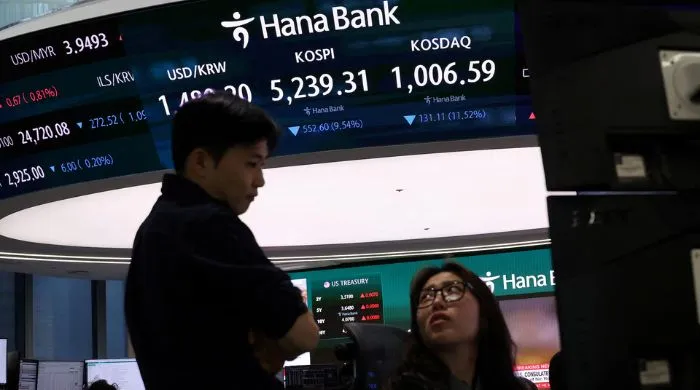
The Strait of Hormuz plays a central role in the global energy system. Countries in Asia, particularly China, India, Japan, and South Korea, depend heavily on Gulf oil transported through the corridor. Any disruption could therefore affect global manufacturing, shipping, and energy markets.
Energy security experts warn that rising tensions around the strait could also increase insurance costs for shipping, disrupt maritime logistics, and amplify volatility in commodity markets.
Outlook
While the strait remains open and shipping continues for now, the situation highlights the vulnerability of global energy supplies to geopolitical tensions in the Middle East. Governments and energy companies are closely monitoring developments, as any escalation in the region could quickly ripple across global markets.
The Strait of Hormuz, therefore, remains not only a geographic passage but also a critical geopolitical pressure point capable of influencing the stability of global energy flows.