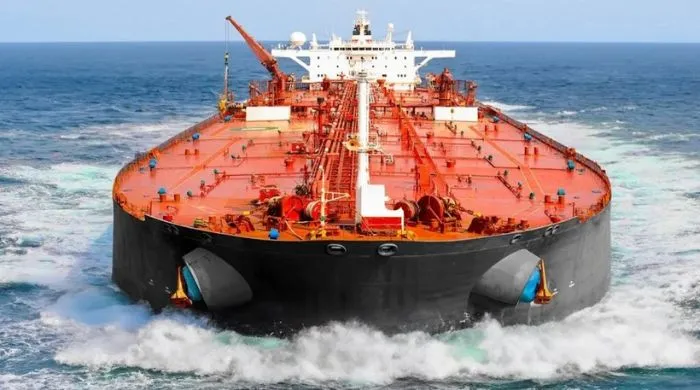
Pakistani ships to carry Kuwaiti fuel as regional tensions continue

Kuwait has agreed to deploy Pakistani-flagged ships for transporting diesel and jet fuel after Iran permitted safe passage for oil cargoes through the Strait of Hormuz. The arrangement comes amid ongoing regional instability and aims to ensure that fuel supplies reach Pakistan without disruption.
Details of the arrangement
Iran recently allowed approximately 20 oil cargoes on Pakistani vessels to pass through the strategically important Strait of Hormuz. With this clearance, Pakistan offered its ships for transporting Kuwaiti diesel and jet fuel, and Kuwait Petroleum Corporation (KPC) accepted the plan. This step is seen as a practical solution to maintain fuel supply chains amid heightened regional tensions.
The move comes as fuel shipments from Kuwait had slowed due to conflicts involving the U.S., Israel, and Iran, which disrupted tanker movements in the region. Using Pakistani vessels ensures continuity in fuel imports and reduces reliance on third-party shipping during the crisis.
Pakistan–Kuwait energy ties
Pakistan has long relied on Kuwait for petroleum imports, particularly diesel, through longstanding agreements between Kuwait Petroleum Corporation and Pakistan State Oil. Officials have described this latest development as a reflection of strong bilateral cooperation, trust, and Pakistan’s growing role in managing logistical challenges arising from regional tensions.
During recent discussions, Petroleum Minister Ali Pervaiz Malik thanked Kuwait for facilitating Pakistani vessels and highlighted Islamabad’s commitment to ensuring uninterrupted fuel supplies amid uncertainty.
Why this matters
This development is significant for Pakistan’s energy security. With the Strait of Hormuz under pressure and global tanker routes disrupted, using domestic-flagged ships gives Pakistan more control over fuel imports. It also reduces the risk of delays and ensures that the country’s industrial and transportation sectors continue to function.
Beyond logistics, the arrangement highlights the impact of regional geopolitics on Pakistan’s economy. Any disruption in Gulf shipping routes affects fuel prices, inflation, and overall economic stability. While this arrangement is a short-term solution, it demonstrates Islamabad’s capacity to adapt quickly to geopolitical challenges.