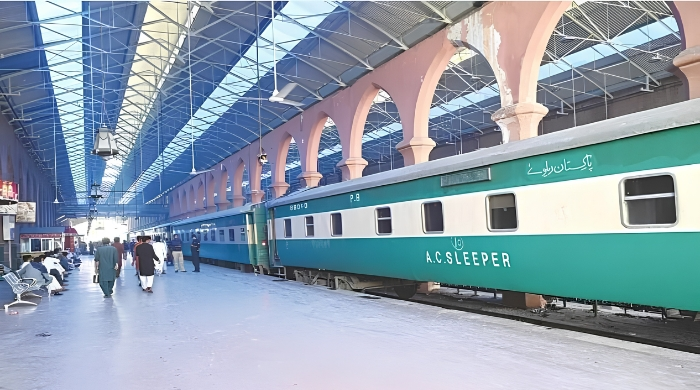
Pakistan Railways Plans to Outsource 15 Passenger Trains

Pakistan Railways is moving ahead with another major privatization-style initiative.
The department is reportedly planning to outsource operations of 15 passenger trains to the private sector, as part of broader efforts to reduce financial losses and improve service quality.
The proposal is expected to be implemented through an open auction model, where private companies will bid to operate selected trains under Pakistan Railways’ supervision.
Why Pakistan Railways Is Doing This
The core issue is financial pressure.
Pakistan Railways has struggled for years with:
- Operational losses
- Aging infrastructure
- Low efficiency
- High maintenance costs
Passenger services, in particular, have remained difficult to sustain profitably. Outsourcing is now being viewed as a way to:
- Improve train operations
- Increase revenue generation
- Reduce the burden on the government
Officials believe private operators may be able to run certain services more efficiently than the current system.
How the Outsourcing Model Will Work
Under the proposed system:
- Private companies will operate selected trains
- Pakistan Railways will still own the infrastructure
- Operations will likely be awarded through competitive bidding
The government has already used similar public-private partnership models on a limited scale in the past with some train services.
This new phase appears significantly larger.
Which Trains Could Be Included
While the complete final list has not yet been officially confirmed, reports suggest several major intercity services may be considered.
Pakistan Railways has previously explored outsourcing routes linked to trains, such as:
- Hazara Express
- Millat Express
- Thal Express
- Shalimar Express
Some premium and long-distance trains could also attract private bidders due to stronger passenger demand.
Focus on Revenue and Modernization
The outsourcing plan is part of a broader modernization push inside Pakistan Railways.
Officials have also announced:
- Digitization of freight booking
- Online railway systems
- Addition of freight wagons
- Upgrades to station facilities and safety departments
The goal is to improve operational efficiency while increasing revenue streams.
But Concerns Still Exist
Not everyone is fully convinced.
Critics argue that outsourcing could:
- Increase ticket prices
- Reduce accountability
- Focus more on profitable routes while neglecting smaller regions
There are also concerns about whether private operators will maintain service quality consistently.
Past outsourcing attempts received mixed responses, with limited interest from private investors in some routes.
Why This Matters
Pakistan Railways remains one of the country’s largest public transport systems, connecting millions of passengers every year.
Any major operational shift affects:
- Ticket pricing
- Service quality
- Passenger experience
- Employment and staffing structures
That’s why this move is being watched closely.
Bottom Line
Pakistan Railways is clearly pushing toward a more commercially driven model.
Outsourcing 15 passenger trains could improve efficiency and reduce losses, but success will depend on execution, transparency, and whether passengers actually see better services in return.