UAE Extends $2 Billion Loan Rollover to Pakistan for Two Months

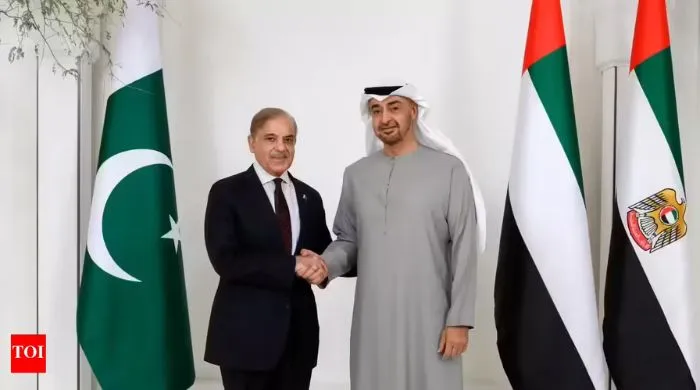
Pakistan has secured an in-principle agreement from the United Arab Emirates (UAE) to roll over a $2 billion deposit for an additional two months until April 17, 2026, officials familiar with the matter said. This extension offers short-term budgetary relief as Islamabad prepares for critical negotiations with the International Monetary Fund (IMF) under its ongoing economic support programme.
The rollover deal comes with an interest rate of 6.5% and follows a previous one-month extension that was due to expire imminently. Formal authorisation from UAE authorities is still pending but expected shortly, the official added.
Why It Matters
The $2 billion facility is part of a broader set of bilateral deposits maintained with Pakistan’s State Bank by Gulf and regional partners. The UAE’s contribution, managed through the Abu Dhabi Fund for Development, includes three tranches totalling $3 billion, two of which matured earlier this year and were renewed. A third tranche of $1 billion is scheduled to mature in July 2026.
Securing rollover commitments from bilateral creditors like the UAE is a key component of Pakistan’s external financing strategy. It helps cushion pressure on foreign exchange reserves while the IMF conducts its third review of Pakistan’s $7 billion Extended Fund Facility programme, a process that could unlock additional funding.
Pakistan is aiming to rollover approximately $12 billion in external deposits during the current fiscal year, including funds from Saudi Arabia and China, in addition to the UAE. Saudi authorities recently agreed to extend a $3 billion deposit with Pakistan’s central bank by one year, which has eased part of the immediate financing gap.
Background: Loan Rollover Practice
Pakistan first received the $2 billion loan from the UAE in 2018 at a lower interest rate. Since then, the country has relied on annual or short-term rollovers due to ongoing balance of payments pressures and the need to maintain reserve buffers. Earlier requests from Islamabad for longer rollover periods and reduced interest rates have been part of recent diplomatic engagements, including direct discussions between federal officials and UAE representatives.
What’s Next
With formal approvals still pending, Islamabad is expected to continue negotiations with the UAE for longer-term rollover terms that could provide greater certainty and lessen near-term pressure on reserves. Outcomes from the upcoming IMF review will likely influence the pace and structure of future bilateral financing arrangements.