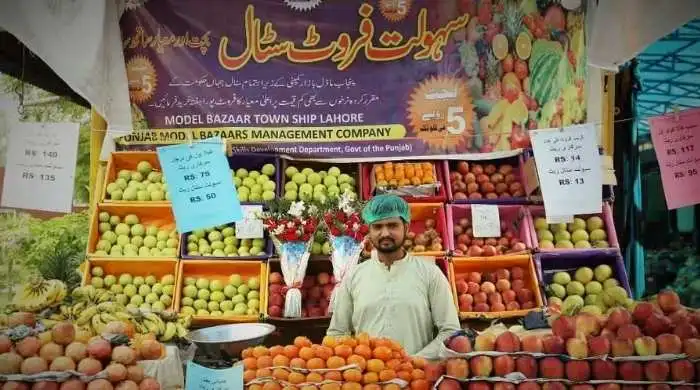
Ramazan Subsidised Markets Slashed as Prices Surge on Key Commodities

The number of subsidised Ramazan markets operating across Pakistan has been significantly reduced this year, even as consumers report sharp price hikes on basic commodities including flour, sugar, ghee, and pulses. The contraction in subsidised outlets has coincided with mounting inflationary pressures and logistical challenges affecting the supply of essential food items.
Official data shows that the government established fewer subsidised markets compared with the same period last year, a decision authorities say was driven by budgetary constraints and logistical prioritisation. Meanwhile, private markets have seen retail prices climb, with many consumers struggling to absorb the added cost during Ramazan when household expenditure on food typically rises.
Prices of Essentials on the Rise
Citizens and traders alike report that staple prices have moved upward:
- Flour and atta prices have risen in several districts, limiting access for low-income households.
- Sugar and ghee — traditionally key items during Ramazan — are selling at higher rates than last year, adding strain on family budgets.
- Pulses and dhal prices have also marked incremental increases, affecting affordability for many consumers.
Market observers attribute these trends to a mix of supply disruptions, elevated global commodity prices, and transportation costs that feed into retail pricing. Traders also cite weaker purchasing power among consumers as dampening demand for lower-tier subsidised outlets.
Government Response and Rationale
According to officials, the decision to scale back subsidised markets was influenced by:
- Budgetary limitations restricted the funding available for widespread market operations.
- Supply chain and logistical constraints, including storage and distribution challenges in remote districts.
- Efforts to target subsidies more precisely where they are deemed most necessary, though critics argue this has reduced overall reach.
Authorities have said that remaining subsidised markets will continue operating to offer controlled pricing on select essentials, though geographic coverage is narrower than in previous years.
Public Reaction and Concerns
Consumers have expressed frustration at both the reduction in subsidised outlets and the lack of price relief in regular markets. Some have called on local administrations to ensure that existing subsidised markets are better stocked and priced competitively to meaningfully alleviate cost pressures during the holy month.
Social media discussions and market reports indicate that households are adjusting purchase patterns, cutting non-essential items from their shopping lists, and seeking alternative sources to manage costs. Vendors acknowledge reduced footfall in subsidised markets but say operational costs have limited their ability to consistently offer lower prices.
What Comes Next
As Ramazan progresses and Eid approaches, economists and consumer advocacy groups suggest close monitoring of commodity prices and supply flows to anticipate further inflationary pressure. Calls for transparent pricing mechanisms and expanded support for vulnerable populations are likely to persist as families balance religious observance with economic realities.