Fuel Price Hike Pushes Weekly Inflation Higher in Pakistan

Pakistan’s short-term inflation indicator recorded a noticeable rise after recent increases in fuel prices pushed up the cost of essential commodities across the country. According to the Pakistan Bureau of Statistics (PBS), the Sensitive Price Indicator (SPI) increased 6.44% year-on-year for the week ending March 11, reflecting higher costs for energy and food items.
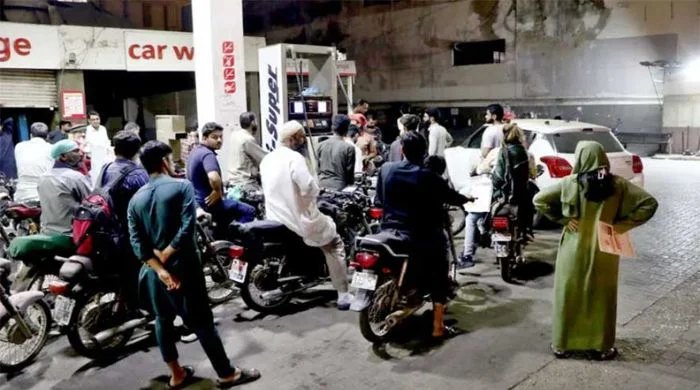
On a week-on-week basis, the SPI rose 1.89%, largely driven by a sharp surge in petroleum product prices following adjustments in domestic fuel rates amid global geopolitical tensions affecting energy markets.
Fuel Prices Drive Inflation Spike
The main contributor to the increase was the rise in energy prices. Compared to the previous week:
- Petrol prices increased by 20.60%
- Diesel prices jumped by 19.54%
- Liquefied Petroleum Gas (LPG) rose by 12.13%
These increases significantly affected transportation costs and household fuel expenses, particularly in areas where LPG is commonly used for cooking.
Food Prices Also Increase
Several key food items recorded weekly price increases during the same period:
- Onions rose 9.63%
- Bananas increased 1.44%
- Wheat flour climbed 1.28%
- Chicken prices edged up 0.66%
Other items such as pulse mash, fresh milk, and cooked beef also experienced smaller price increases, contributing to overall inflationary pressure on households.
Some Commodities Show Declines
Despite the overall inflation increase, several essential items saw price reductions during the week:
- Tomatoes dropped 3.66%
- Potatoes declined 2.86%
- Garlic decreased 0.42%
- Sugar and certain rice varieties also recorded slight declines.
These decreases helped partially offset the inflation spike but were not enough to counter the impact of higher fuel costs.
Annual Inflation Trends
Data from PBS showed that out of 51 essential commodities monitored, prices of 14 items increased, 9 items declined, and 28 items remained unchanged during the week.
Every year, the largest increases were recorded in:
- Diesel (29.94%)
- Gas charges for the lowest consumption slab (29.85%)
- LPG (29.21%)
- Wheat flour (27.75%)
- Petrol (25.75%)
Economic Outlook
The Sensitive Price Indicator serves as a key short-term measure of inflation in Pakistan, tracking price movements of essential goods consumed by different income groups.
Economists warn that continued volatility in global energy markets could keep inflation under pressure in the coming weeks, especially if fuel prices remain elevated due to geopolitical tensions affecting oil supply routes.