Government Raises Kerosene and LDO Prices by Up to Rs68

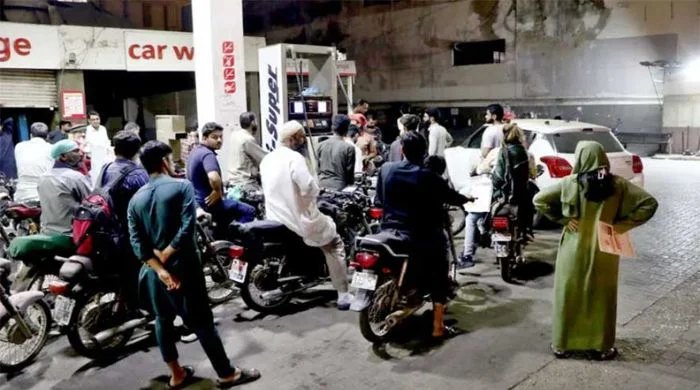
The federal government has increased the prices of kerosene oil and light diesel oil (LDO) while keeping petrol and high-speed diesel prices unchanged through subsidies aimed at shielding consumers from rising global fuel costs.
According to the Ministry of Energy (Petroleum Division), the price of kerosene oil has been raised by Rs39.20 per litre, bringing the new rate to Rs358.01 per litre. Meanwhile, the price of light diesel oil has increased by Rs67.51 per litre, with the new price set at Rs302.52 per litre.
Petrol and Diesel Prices Remain Unchanged
Despite the increases in kerosene and LDO prices, the government decided to maintain existing petrol and high-speed diesel prices. Officials said the move was intended to prevent further financial pressure on consumers during a period of global energy market volatility.
To achieve this, authorities kept the petroleum levy unchanged:
- Petrol levy remains Rs105.37 per litre
- Diesel levy remains Rs55.24 per litre
Rs23 Billion Subsidy to Stabilise Fuel Prices
The government will provide a Rs23 billion subsidy for one week, covering the period from March 14 to March 20, to keep petrol and diesel prices stable.
Under the subsidy arrangement:
- Rs49.63 per litre subsidy will be paid on petrol
- Rs75.05 per litre subsidy will be provided on high-speed diesel
The payments will be made to oil marketing companies as price differential claims to compensate them for selling fuel below market cost.
Role of OGRA in Subsidy Distribution
The Oil and Gas Regulatory Authority (OGRA) will manage the disbursement of subsidy payments and verify claims submitted by oil marketing companies before approving reimbursements.
Officials said this mechanism is intended to ensure transparency in subsidy distribution and prevent misuse of government funds.
Government Establishes Austerity Fund
To support such financial measures, the government has also approved the creation of a Prime Minister’s Austerity Fund.
The Economic Coordination Committee (ECC) authorised the transfer of Rs27.10 billion to the fund, which will be used to finance fuel subsidies and other economic relief initiatives.
Impact on Consumers
Kerosene and light diesel oil are widely used in rural households, small industries, and agricultural operations, meaning the price increase could affect transportation costs and basic household energy expenses in some areas.
At the same time, by keeping petrol and diesel prices unchanged through subsidies, the government aims to limit the broader inflationary impact on consumers and the transport sector.